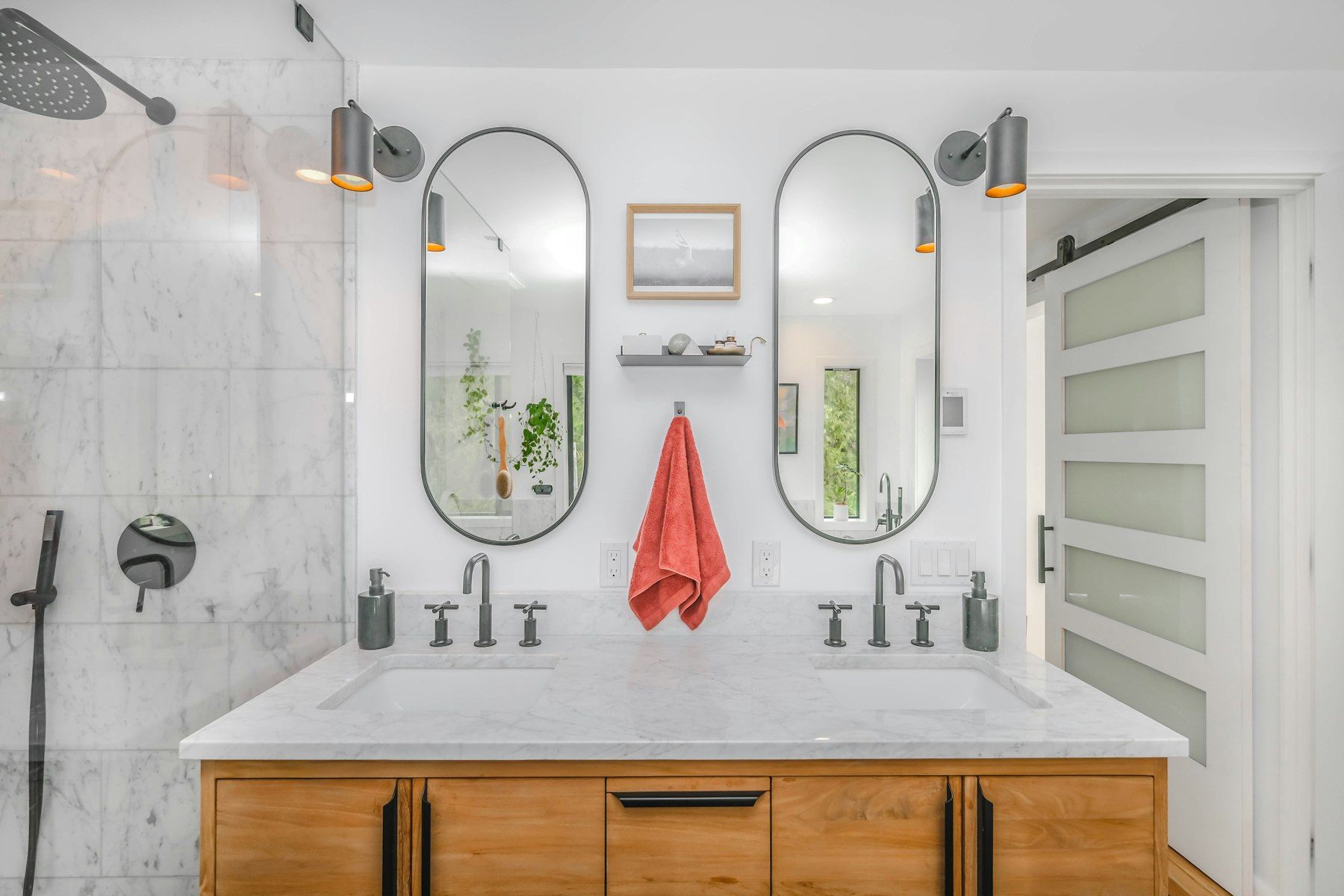
Dirty or damaged?
Discoloured grout and dull tiles can make an otherwise sound bathroom look tired. Many homeowners assume the only solution is to rip everything out, while others try to scrub their way through problems that cleaning cannot solve. The truth lies in between. Professional tile and grout cleaning can restore a surprising number of bathrooms to near-new condition. In other cases, the grout has deteriorated, tiles are damaged or water is escaping, and cleaning would only mask a deeper issue.
This guide helps you understand the difference, what professional cleaning can achieve, and when regrouting, resealing or replacement is the better choice.
Why tiles and grout get dirty
Soap scum and body oils
Soap reacts with minerals in water to form a film that builds up on tiles and grout, dulling surfaces and trapping dirt.
Mineral deposits
Hard water and bore water leave calcium and other minerals on tiles, glass and grout. Rainwater is soft but can carry sediment.
Mould and mildew
Warm, damp bathrooms with poor ventilation encourage mould growth, particularly in grout lines and silicone joints. Mould appears as black, green or pink spots.
Absorbed stains
Cementitious grout is porous. Over time, it absorbs dirt, hair dye, cosmetics and cleaning residues, darkening and discolouring.
Wear and erosion
Harsh cleaners, especially acids and bleach used repeatedly, erode grout and dull tile glazes.
What professional cleaning involves
Professional tile and grout cleaning goes well beyond household scrubbing. A typical service includes:
- Assessment of the tile type, grout condition and staining.
- Pre-treatment with cleaning solutions suited to the surface and soil type, such as alkaline cleaners for soap scum and oils or appropriate treatments for mineral deposits on compatible surfaces.
- Agitation with specialised brushes and tools to lift dirt from grout lines.
- Extraction using equipment that rinses and removes dirty water and residue.
- Mould treatment in grout and on surfaces.
- Grout sealing to reduce future absorption, where appropriate.
- Optional colour sealing to restore uniform grout colour.
- Silicone replacement where mould has penetrated sealant.
The right chemistry matters. Natural stone, such as marble and limestone, can be etched by acidic cleaners, while some glazed tiles tolerate a wider range of products. A professional selects products to suit.
What cleaning can achieve
For bathrooms with sound tiles and grout, professional cleaning can:
- Remove built-up soap scum and grime.
- Lighten discoloured grout significantly.
- Remove surface mould.
- Restore the sheen of glazed tiles.
- Improve the appearance of natural stone.
- Provide a sealed surface that is easier to keep clean.
Many homeowners are surprised by the difference. A bathroom that looked ready for renovation may simply need a deep clean, new silicone and a sealer.
When cleaning is not enough
Crumbling or missing grout
If grout is cracked, sandy, crumbling or missing, cleaning cannot restore it. Regrouting is needed to replace the grout and restore the surface.
Deep-set mould
Mould that has penetrated deep into porous grout or silicone may return quickly after cleaning. Silicone with mould growing behind it must be replaced. Grout with deep mould may need to be removed and replaced.
Permanent staining
Some stains, such as those from hair dye or rust, may not be fully removable from porous grout. Colour sealing can improve appearance, but regrouting may be the better solution.
Damaged or loose tiles
Cracked, chipped or hollow-sounding tiles need repair or replacement. Cleaning will not fix them.
Water escaping
If there are signs that water is escaping, such as swollen skirting boards, mould on walls outside the bathroom, a soft floor or stains on the ceiling below, the problem lies beneath the tiles. Cleaning or regrouting will not fix a failed membrane. The bathroom likely needs a rebuild with new waterproofing to AS 3740.
Etched or worn surfaces
Tiles with a worn glaze or natural stone that has been etched by acids may be improved by professional restoration, such as honing and polishing stone, but severely worn surfaces may need replacement.
A decision guide
- Grout discoloured but intact; tiles sound; no leaks: professional cleaning and sealing.
- Grout intact but deeply stained: cleaning plus colour sealing, or regrouting.
- Silicone mouldy or lifting: resealing with new mould-resistant silicone.
- Grout cracked, crumbling or missing; tiles sound; no leaks: regrouting and resealing.
- A few cracked tiles; membrane intact: targeted tile replacement, if matching tiles are available.
- Hollow tiles, leaks or water damage: full rebuild with new waterproofing.
- Tiles sound but style dated: full renovation if desired, or cleaning and refresh to buy time.
Surface-specific advice
Ceramic and porcelain tiles
Glazed ceramic and porcelain are durable and respond well to professional cleaning. Unglazed porcelain can absorb stains and may benefit from sealing.
Natural stone
Marble, limestone, travertine and slate are beautiful but sensitive. Acidic cleaners etch calcium-based stones. Stone should be cleaned with pH-neutral or stone-specific products and resealed periodically. Professional stone restoration can address etching and dullness.
Mosaic tiles
Mosaics have many grout lines, making them more prone to discolouration. Professional cleaning can make a big difference, and epoxy grout is worth considering when regrouting.
Textured and anti-slip tiles
Textured surfaces trap dirt more readily and benefit from regular agitation with suitable brushes.
Epoxy grout
Epoxy grout resists staining and absorption far better than cementitious grout. It rarely needs sealing and is easier to keep clean, although it can still accumulate surface soap scum.
The role of ventilation
Persistent mould usually points to inadequate ventilation. Cleaning removes mould, but without better ventilation it will return. Consider upgrading to a correctly sized exhaust fan ducted outside, with a run-on timer. Opening a window after showering and squeegeeing walls also helps.
Maintaining tiles and grout
- Squeegee walls and glass after showering.
- Run the exhaust fan during and after showers.
- Clean weekly with a pH-neutral cleaner.
- Avoid harsh acids and bleach on grout and stone.
- Reseal cementitious grout and stone as recommended.
- Replace silicone when it becomes mouldy or lifts.
- Schedule periodic professional cleaning.
Cleaning before selling or leasing
A professional clean is one of the most effective ways to present a bathroom for sale or lease. Clean, bright grout and fresh silicone make a bathroom look well cared for. However, if the bathroom has underlying issues, building inspectors may identify them, so it is best to address leaks properly.
Why DIY cleaning sometimes makes things worse
Many homeowners reach for the strongest products on the supermarket shelf when grout looks dirty. Unfortunately, repeated use of bleach, acid-based cleaners and abrasive scourers can do lasting harm. Bleach may lighten mould stains temporarily but does not always kill mould growing deep in porous grout, and it can weaken cementitious grout over time. Acids dissolve mineral deposits but also eat into grout and etch natural stone. Hard scrubbing with wire brushes or abrasive pads can scratch glazes, wear grout below the tile surface and damage silicone.
Mixing cleaning products is also dangerous; some combinations release harmful fumes. If you are unsure which products are safe for your surfaces, a professional assessment is worthwhile.
Pressure from DIY cleaning can also mask problems. Grout that crumbles under scrubbing is a sign it has deteriorated and needs replacing. Water that seems to vanish into grout lines or tiles that move underfoot point to issues beneath the surface. If you notice these during cleaning, stop and have the bathroom assessed.
Cleaning, regrouting and renovating: how the options relate
Think of the options as steps on a ladder. Cleaning is the first step, restoring surfaces that are sound but dirty. Resealing and regrouting are the next steps, replacing worn joints while keeping the tiles. Targeted tile replacement addresses isolated damage. A full rebuild is the final step, needed when the waterproofing or structure has failed or when you want a completely new design.
Starting at the right step saves time and disruption. Starting too low wastes effort on a problem that will return; starting too high replaces a bathroom that could have been restored. An honest assessment puts you on the right step.
Questions to ask before booking a clean
- What type of tile and grout do I have, and which products are safe?
- Will the clean include mould treatment and silicone replacement?
- Is sealing included, and how often should it be renewed?
- What results can I realistically expect for my grout?
- Are there any signs of deeper issues you can see?
Hills homes and rural water
In tank-water and bore-water homes across Upper Beaconsfield, Emerald, Cockatoo, Gembrook and Cardinia, mineral deposits and sediment can build up differently from mains-supplied homes. Bore water in particular can leave stubborn scale or orange staining. Specialised treatments can remove many of these deposits safely, and a glass coating on the shower screen helps prevent build-up. Combined with good ventilation, regular maintenance keeps surfaces looking their best between professional cleans.
Frequency of professional cleaning
How often a bathroom needs professional cleaning depends on how heavily it is used, the water supply, ventilation and daily habits. Busy family bathrooms may benefit from a professional clean more often than a guest ensuite. After each clean, ask for tailored maintenance advice so the results last as long as possible.
Silicone: the often-forgotten joint
Silicone joints sit at the most vulnerable points in a bathroom: internal corners, the base of the shower screen, around the bath and where the vanity meets the wall. Unlike grout, silicone cannot be effectively cleaned once mould has grown into it, because the mould lives inside the sealant. Replacing silicone involves removing every trace of the old material, cleaning and drying the joint thoroughly, treating any mould on the surrounding surfaces and applying a fresh bead of quality, mould-resistant sanitary silicone. Fresh silicone instantly makes a bathroom look cleaner and helps keep water out of junctions. It is one of the most worthwhile additions to any professional clean.
Grout sealers explained
Penetrating grout sealers soak into cementitious grout and reduce how quickly it absorbs water and stains. They are invisible once dry and need renewing periodically, particularly in showers.
Our approach
At Beaconsfield Bathroom Renovations, we provide professional tile and grout cleaning alongside regrouting, resealing and full renovations. Because we do all of these, we can give you honest advice about which is right for your bathroom. If cleaning will restore it, we will say so. If there are signs of deeper problems, we will explain them and outline the options.
Summary
Key takeaways: cleaning restores sound surfaces, regrouting replaces worn joints, and signs of water damage mean looking beneath the tiles. The short version: a well-planned bathroom starts with an honest assessment, a clear written scope and waterproofing to AS 3740, and it is finished by licensed and insured trades who take the time to get details right. Use this guide to prepare questions for your consultation, and bring photos, measurements and any concerns about water damage. The more we understand about your home and how you use the room, the better the advice we can give.
Book a design consultation
If your tiles and grout are looking tired, book a consultation. We will assess the surfaces, check for underlying issues and recommend the most appropriate solution.
Our bathroom services
- Accessible Bathrooms
- Bathroom Renovations
- Bathroom Resealing & Silicone
- Bathroom Tiling
- Ensuite Renovations
- Laundry Renovations
- Shower Conversions
- Shower Screens
- Small Bathroom Renovations
- Tile & Grout Cleaning
- Vanity Replacement
- Bathroom Waterproofing
Book a design consultation
Tell us about your bathroom, ensuite or laundry and we will arrange a visit to assess the space and talk through the possibilities.
Book a design consultation